

CNC Machining: How Milling Machines Transform Metal Blocks Into Precision Parts

In the modern landscape of advanced manufacturing and industrial engineering, the level of precision and technological mastery required to shape raw materials into exact specifications is paramount. The ability to execute complex digital designs through automated machinery reflects a high standard of production, where exactness, efficiency, and structural integrity merge. This video captures an intricate workflow, highlighting a sophisticated computer-controlled machining operation set inside a professional workshop environment.
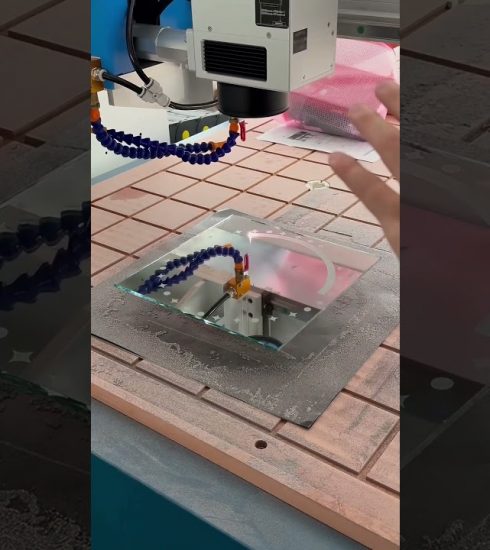
The visual narrative begins by focusing on a solid, circular metal workpiece securely clamped to a rotating machine bed. A vertical milling tool approaches the surface, initiating a high-speed cutting action that carves into the rotating metal. Chronologically, the video showcases the cutting tool—known as an end mill—moving with high precision, guided by a computer program to shape the outer profile and internal cavities of the workpiece. As the spindle rotates rapidly, metal chips shear off continuously, accumulating around the base while a lubricant stream cools the contact point. The process evolves dynamically from a flat, unshaped metal block into a meticulously contoured component with defined circular pathways and polished channels.
Visually, the CNC (Computer Numerical Control) machine operates by driving a multi-fluted cutting tool along multi-axis coordinates commanded by digital instructions. The spinning tool removes material layer by layer through mechanical abrasion and shearing forces, interacting directly with the metallic surface. The steady flow of coolant liquid ensures thermal regulation and clears away debris, allowing the tool to maintain its cutting trajectory without obstruction.
From a productivity and economic perspective, utilizing automated CNC milling instead of manual shaping drastically reduces production time, minimizes human error, and ensures absolute consistency across batches. This efficiency allows manufacturers to meet strict industrial tolerances, lower material wastage, and significantly enhance the commercial value and performance capability of the final metal component.
Ultimately, this documentation illustrates the profound collaboration between digital programming and automated mechanical execution. It serves as a testament to how human innovation harnesses advanced technology to transform raw, utilitarian blocks of metal into highly complex, precision-engineered components that drive modern industries forward.
source