

CNC laser cutting machines for fabric represent a significant advancement in textile manufacturing.

These machines use a focused laser beam to cut fabric patterns accurately and efficiently.
How CNC Laser Cutting Machines for Fabric Work
Design Creation: The process starts with creating the pattern design using CAD (Computer-Aided Design) software. This digital design is then converted into a format that the CNC machine can read.
Material Placement: The fabric is placed on the cutting bed of the CNC laser machine. The bed is often equipped with a vacuum system to hold the fabric in place and ensure it remains flat during cutting.
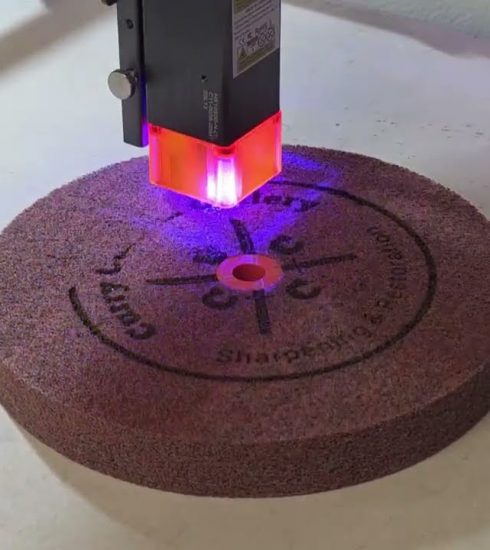
Laser Cutting: The machine uses a high-powered laser beam, typically a CO2 laser, to cut through the fabric. The laser is directed by mirrors and lenses to precisely follow the pattern shapes defined in the digital design.
Heat and Vaporization: The laser beam generates intense heat that vaporizes the fabric along the cutting path. This allows for clean and precise cuts without physically touching the fabric, reducing the risk of distortion or fraying.
Movement Control: The CNC system controls the movement of the laser head with high precision, ensuring that the cutting is accurate to the design specifications.
Features of CNC Laser Cutting Machines for Fabric
Precision and Accuracy: These machines can cut intricate patterns with high precision, which is essential for detailed designs and complex shapes.
Speed and Efficiency: Laser cutting is a fast process, making it suitable for high-volume production runs.
Versatility: Suitable for a wide range of fabrics including cotton, polyester, silk, leather, and technical textiles.
Non-Contact Cutting: Since the laser does not physically touch the fabric, there is minimal risk of mechanical distortion or damage to the material.
Clean Edges: The heat from the laser seals the edges of synthetic fabrics, preventing fraying.
Applications of CNC Laser Cutting Machines for Fabric
Fashion and Apparel: Used to create patterns for clothing, accessories, and fashion items.
Textile Industry: Ideal for producing parts for home textiles, upholstery, and other fabric products.
Technical Textiles: Used in the production of industrial textiles, such as filters, insulation materials, and other engineered fabrics.
Customization: Perfect for creating personalized items, bespoke designs, and custom orders.
Benefits
Reduced Waste: Precise cutting reduces fabric waste compared to traditional cutting methods.
Consistency: Ensures uniformity in repeated cuts, which is crucial for mass production.
Automation: Integration with CAD software allows for automation, reducing manual labor and increasing productivity.
Example Models
Trotec Speedy 300: A popular model known for its high-speed processing and precision.
Epilog Laser Fusion Pro: Offers high-quality cutting with advanced features for detailed fabric work.
Thunder Laser Nova Series: Known for its versatility and ability to handle a variety of fabric types.
source